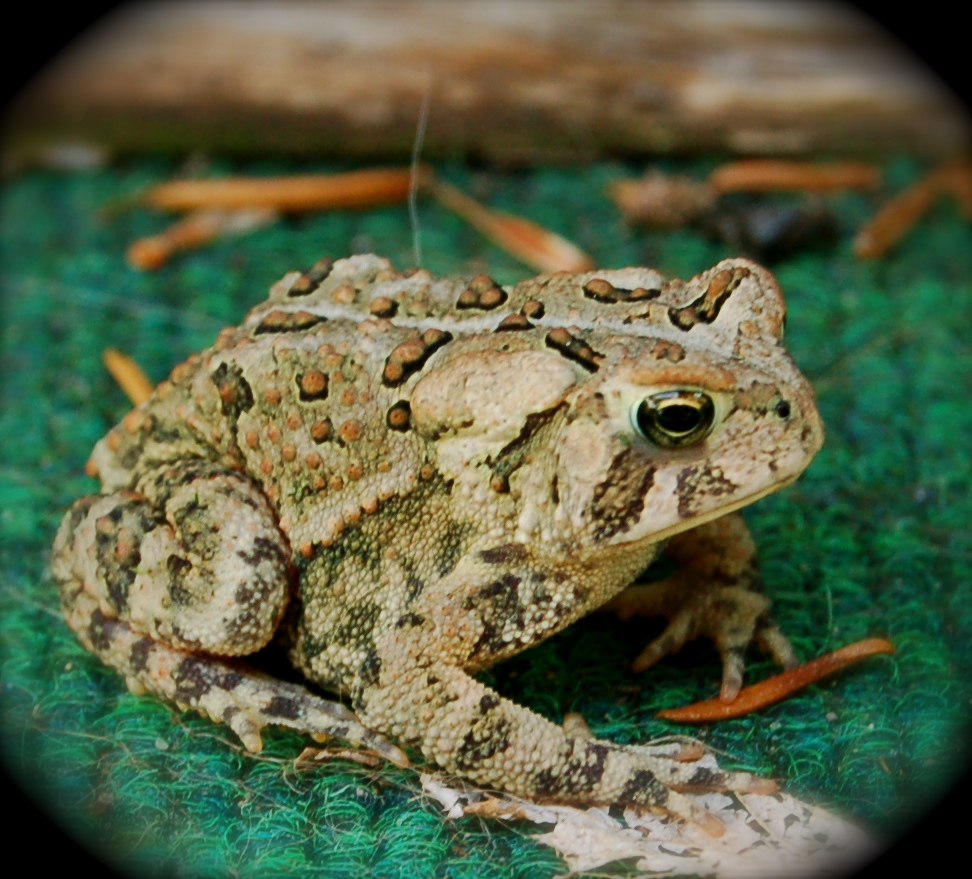
 I mentioned to a few friends a few years ago that the frogs and toads disappeared from my yard after I applied pesticide around my house to reduce the ant population. When I stopped using pesticide the frogs and toads came back….thankfully. I should have known better. I should have listened to Douglas Tallamy, the author of Bringing Nature Home. A yard is not a sterile showplace. It is alive with all sorts of plants, animals and insects. We need to learn to coexist with them. I say “we” for a reason. I recently read the River Raisin Watershed Management Plan and the latest Adopt a Stream Report by the River Raisin Watershed Council. The RRWM Plan confirmed that the leading source of pollution nationally is “non-point”. What is non-point pollution? It’s you and me. We are diffuse sources. Our actions are hard to track and difficult to manage. The best way I have found to address the problem is to follow Tallamy. We can no longer point the finger at BP or industry. WE are the leading cause of pollution. We must do what we can to reverse the negative impacts on our land and streams. I don’t claim to be an authority on this. I’m just doing what Tallamy recommends. He says that insects are good. Birds and other animals depend on them. He says get to know your trees because they are not created equal. Native trees are good. Foreign trees are bad. Biodiversity is good. Monocultures (large expanse of turf grass) are bad. Tallamy provides lists (for the Mid-Atlantic Region) of trees and plants that support biodiversity. For example, a native Oak Tree can support 534 species of Lepidoptera (moths and butterflies). A native Chestnut supports 125. A native Solidago (Goldenrod) supports 115 while a Lobelia (Cardinal Flower) supports 4. You don’t need to buy the book to get the list. Just go to his website.
 The Heron